India is emerging as a global player
In one of the world's largest potato-producing countries, the market is changing faster than ever before. This development presents significant opportunities for Royal HZPC Group, says Chief Commercial Director Herman Verveld.
The market is undergoing a fundamental transformation
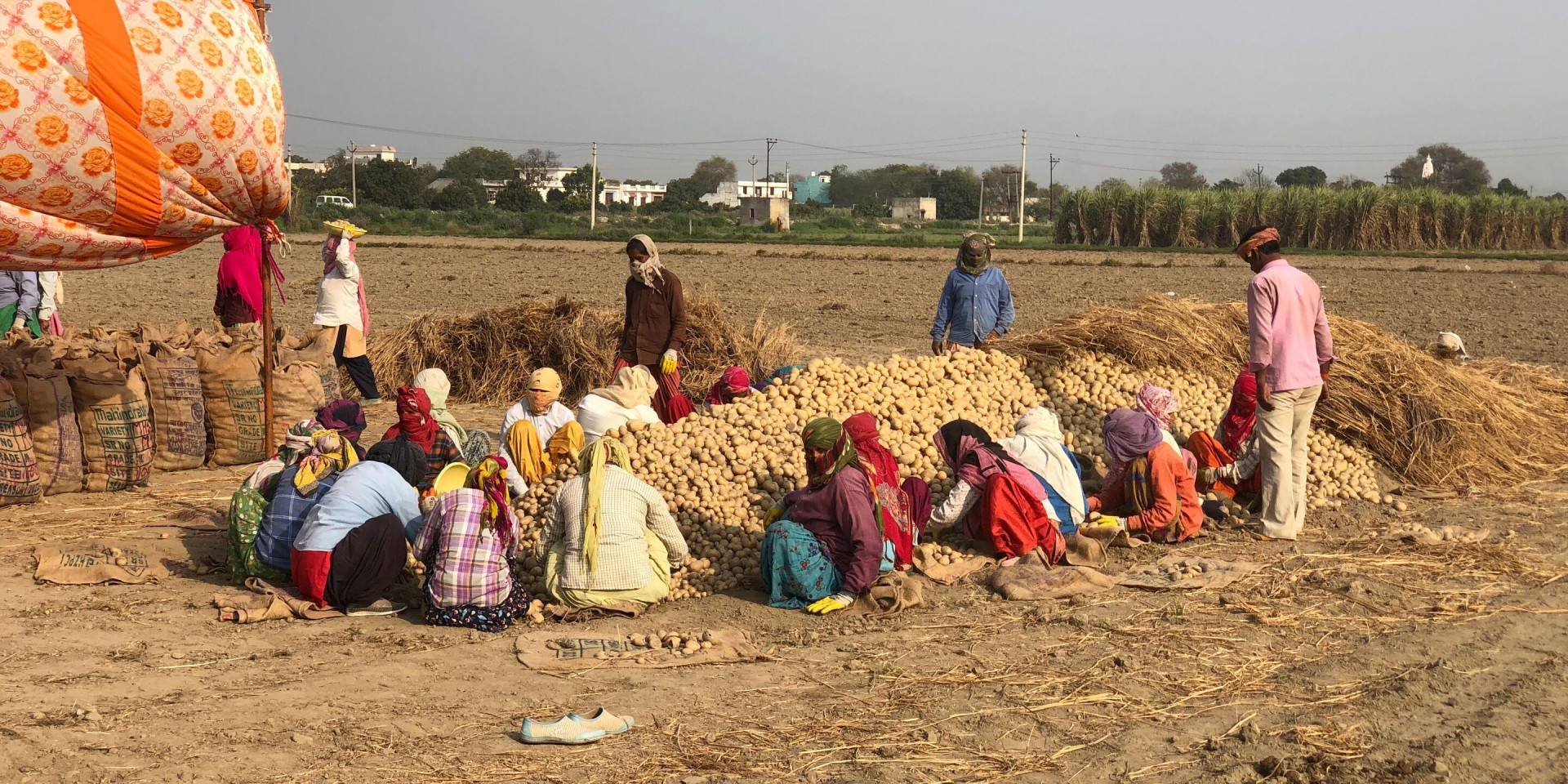
Herman: ‘’ After China, India is the world’s largest potato producer. Until recently, the country was primarily a fresh market, with around 85 percent of all potatoes consumed fresh. However, we are now seeing that the processing industry is experiencing rapid growth. This is fundamentally transforming the market.”
According to Herman, not only is consumption increasing, but the entire value chain is evolving as well: “The population is growing, the middle class is expanding, and consumers are increasingly looking for convenience. We are seeing the retail sector become more professionalised, driven in part by the rapid growth of home delivery services, particularly in larger cities. International fast-food chains are also expanding at a rapid pace. These developments are influencing the requirements for potato varieties as well. Retailers, home delivery providers, and consumers increasingly demand potatoes that are well suited for packaging, combining the right size, excellent washability, and an attractive skin finish.”
Driven by this growing capacity and the limited growth in domestic demand, Indian producers are increasingly focusing on export opportunities.
40 Percent growth
40 Percent growth
The most significant developments are taking place in the French fry industry. “In a relatively short period, numerous new French fry processing facilities have been established. Their role extends beyond serving India's growing domestic market. Export markets across Asia and the Middle East are becoming increasingly important as well.”
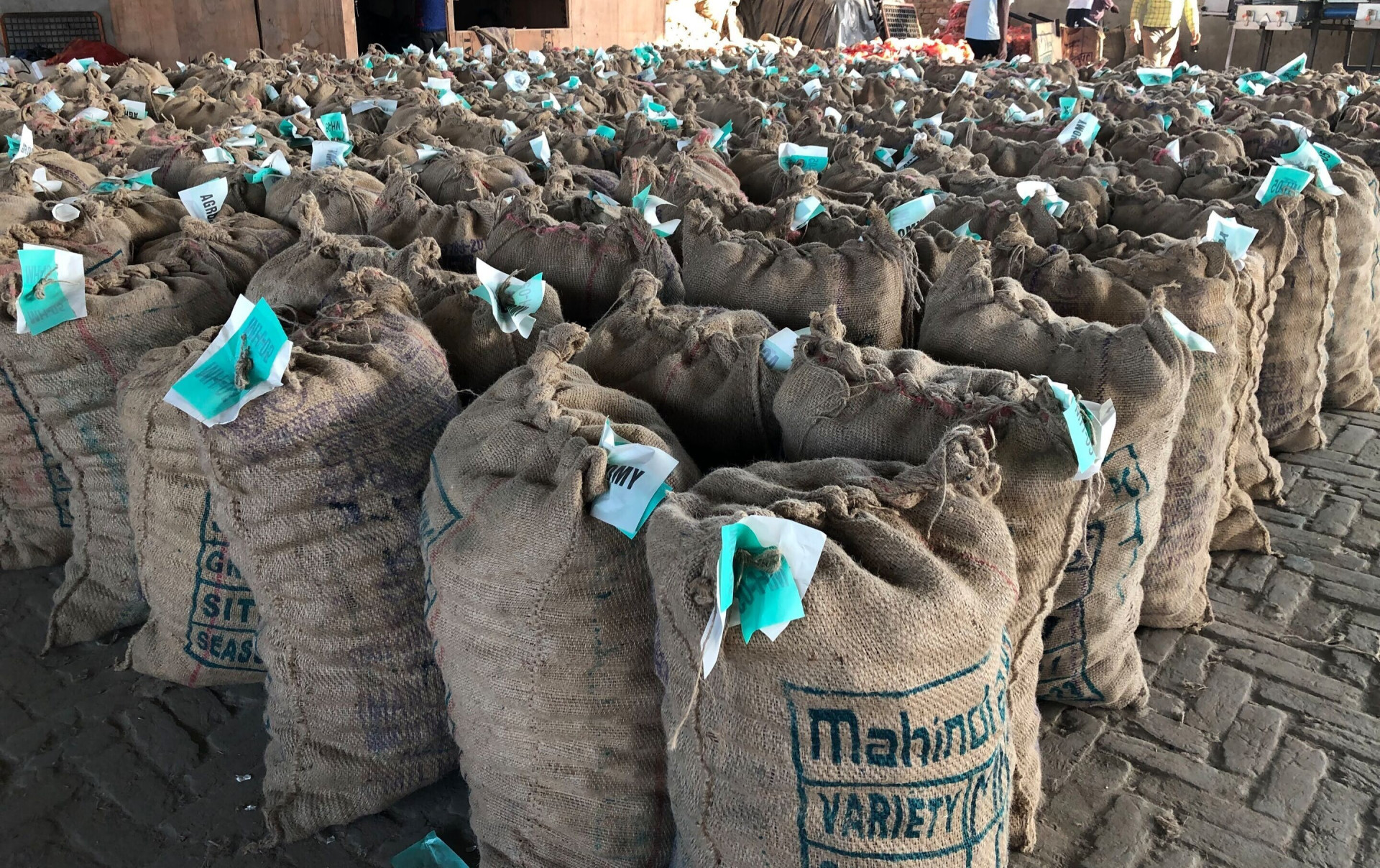
As a result, India is emerging as a major player in the global French fry market. “Partly driven by the opportunistic nature of the market, production capacity continues to expand at a faster rate than domestic demand. This is driving Indian producers to place a stronger focus on export opportunities.. The growing export volume is reshaping the competitive landscape for producers around the world, including those in Europe and North America. In 2024-25, India exported more than 180,000 tonnes of frozen French fries. Compared with five years earlier, that represents growth of approximately 40 percent.”
Skipping steps
Skipping steps
According to Herman, another key factor behind the rapid development of India’s potato industry is the ability to build on existing knowledge and expertise. “India does not need to reinvent the wheel. Knowledge developed in other parts of the world over the past decades is readily available. The latest technologies in agricultural mechanisation and food processing are widely used in India as well. In addition, the industry has access to the same potato genetics as producers elsewhere in the world. Together, these factors enable the sector to bypass certain stages of development and professionalize at a remarkable pace.”
“ In western markets, complex logistics systems for food and parcel delivery had to be built from the ground up. In India, scooter-based delivery services have been part of daily life for years. That makes it easier to combine existing capabilities with new innovations.”
India does not need to reinvent the wheel.
Well positioned
Well positioned
Royal HZPC Group is well positioned to grow alongside these developments. Herman: “Santana remains an important variety for the French fry industry. At the same time, newer varieties such as Castor, Alverstone Russet and Quintera are making strong progress. Together, they provide a solid foundation for future growth.”
In the fresh market, varieties such as Colomba and Tyson continue to strengthen their position, according to Herman. “These varieties perform well within India's intensive cropping systems, where rice and potatoes are grown in rotation. Their short growing cycle also gives growers greater flexibility in responding to changing weather conditions.”
Now that the market is developing rapidly, we are well positioned to benefit from these opportunities.
More sustainable potato production
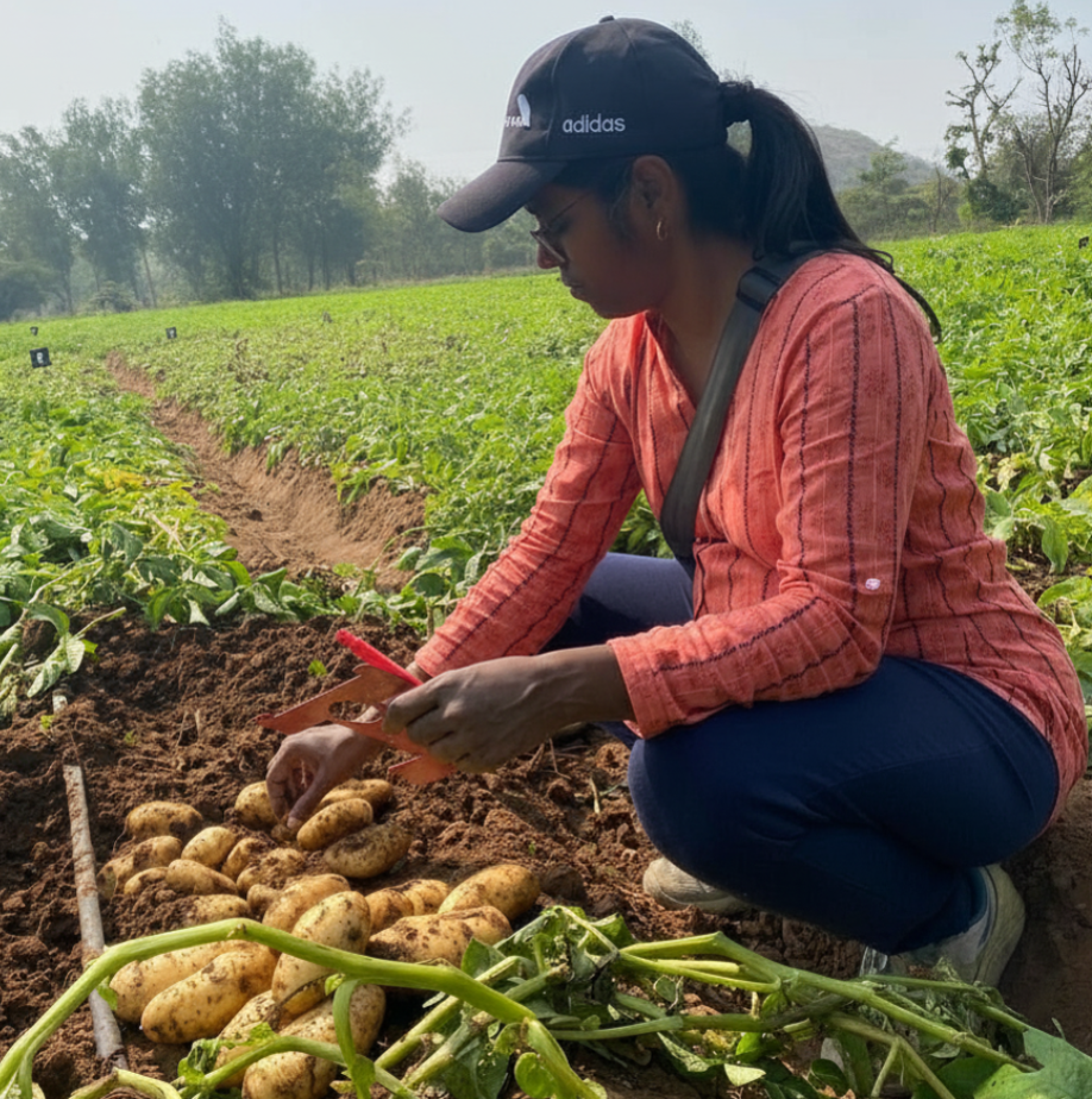
More sustainable potato production
Success is about more than genetics alone. We do not just supply seed potatoes. We also share knowledge on crop management, including cultivation, irrigation and mechanisation. That combination helps growers achieve higher yields and better quality.
In doing so, Royal HZPC Group contributes to more sustainable potato production as well. “We develop varieties that deliver strong yields while requiring less nitrogen, fewer crop protection products and more efficient water use. In this way, we help growers continue to produce successfully in the future. ”
Confirming our direction
Confirming our direction
Herman expects India to play an increasingly important role in the global potato market in the years ahead. “The growth is structural. The population continues to expand, driving growth in domestic demand. Alongside that, opportunities for exporting both processed potato products and table potatoes continue to increase. As a result, demand for high-quality and more sustainable varieties is expected to grow even further.”
For Royal HZPC Group, this is confirmation of the direction we set many years ago. “We have been active in India for many years, working closely with local partners to build strong relationships, deep market knowledge and a portfolio of varieties tailored to local needs. As the market continues to develop rapidly, we are seeing the benefits of those long-term investments. That strengthens our position in one of the world's most important growth markets.”