A firm response
Seed potato acreage in the Netherlands is under pressure, while the demand for healthy food is ever increasing, particularly outside Europe. With our seed potatoes, licensed crops and future hybrid seeds, we have a robust response at hand. The call for collaboration across the chain is greater than ever. We are committed to responsible production and chain cooperation so that we contribute responsibly to food security.
The harvest
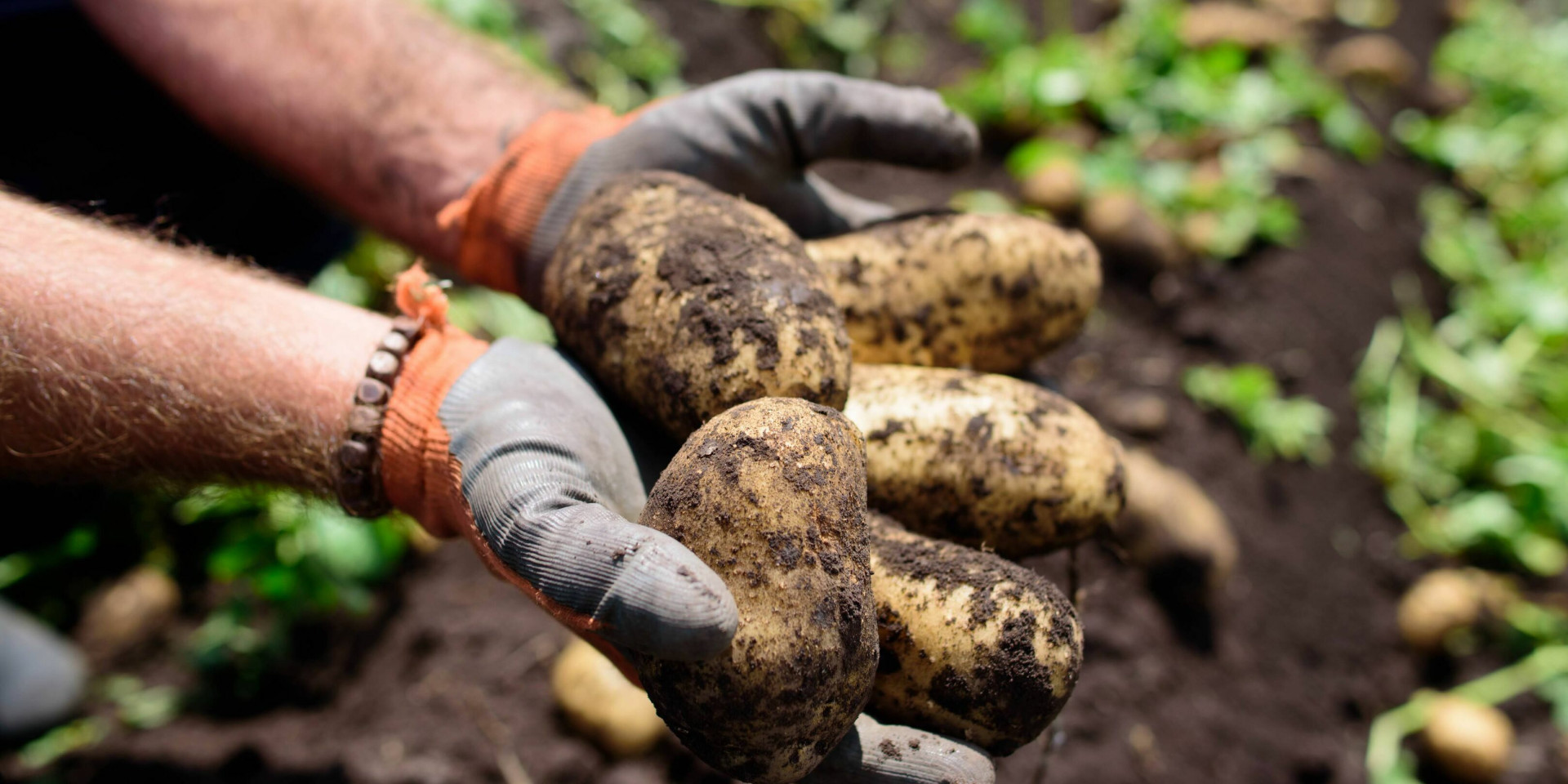
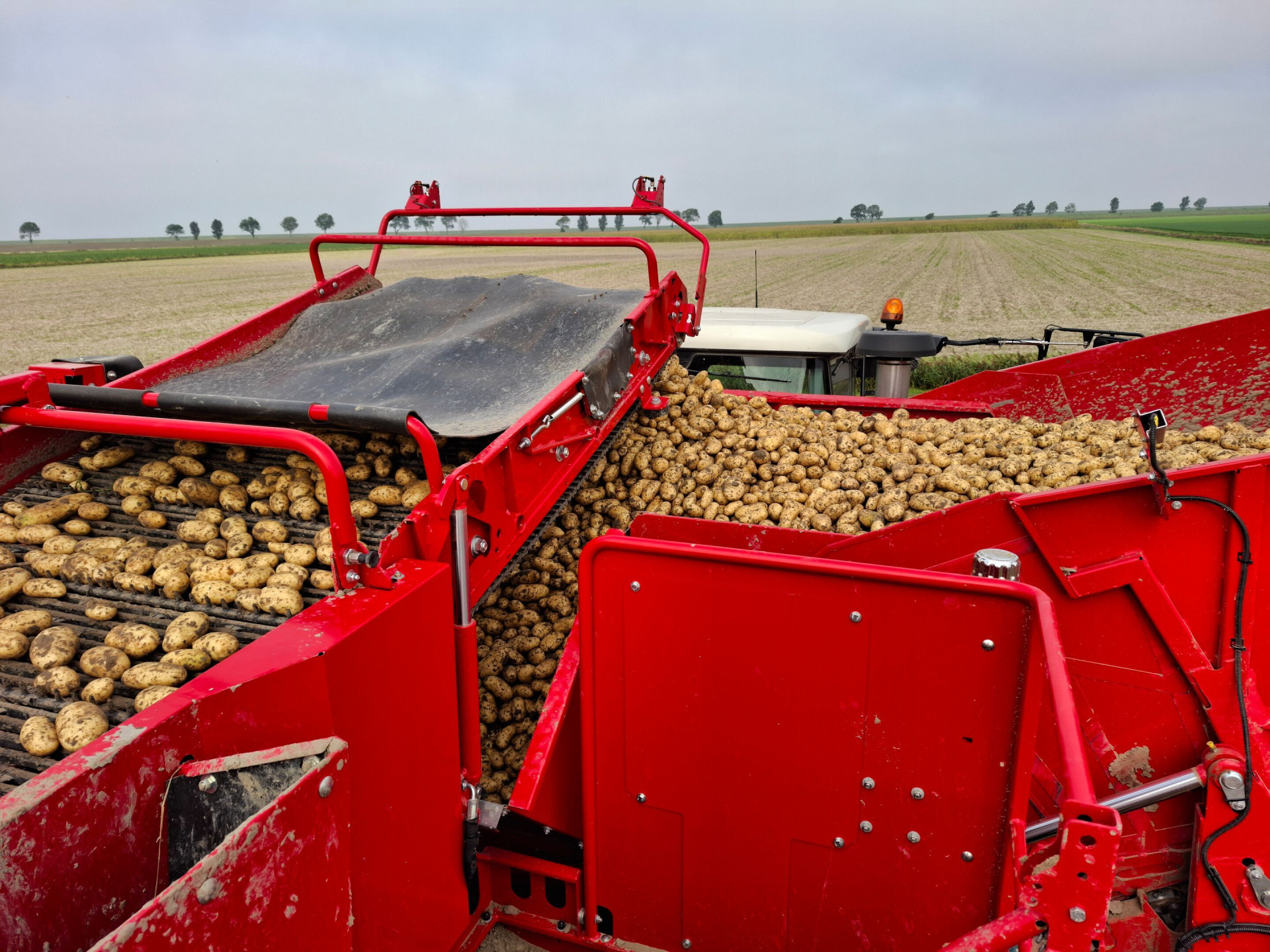
Spring was very wet, so planting was late and growth time was limited. Fortunately, growth came right at the end and the 2024 harvest was satisfactory, with many more smaller-sized tubers than last year.
A high percentage sold
Smaller tubers mean a much higher selling price. And there was adequate demand from the market. After the difficult year 2023-2024, there were actually too few seed potatoes. As a result, there was good replacement demand for new and vital seed potatoes. In a good year, sales come out at 85%. This financial year, we came out at a whopping 97%. We supplied 93 countries in 2024-2025. In 2023-2024, it was 95 countries. The volume in sales and licences was more than 1 million tonnes this financial year. In 2023-2024, it was only 940,963 tonnes.
A good price for our growers
HZPC Holland B.V.'s high sales percentages meant a high payout price for our growers. That was already high for the 2023 harvest at € 53.20. For the 2024 harvest, we ended up at € 62.32, 17% higher than last year. This resulted in historically high yields of around € 24,000 per hectare.
The payout price is exceptionally high once again. Of course, our growers are delighted.
Seed potato acreage remains under pressure
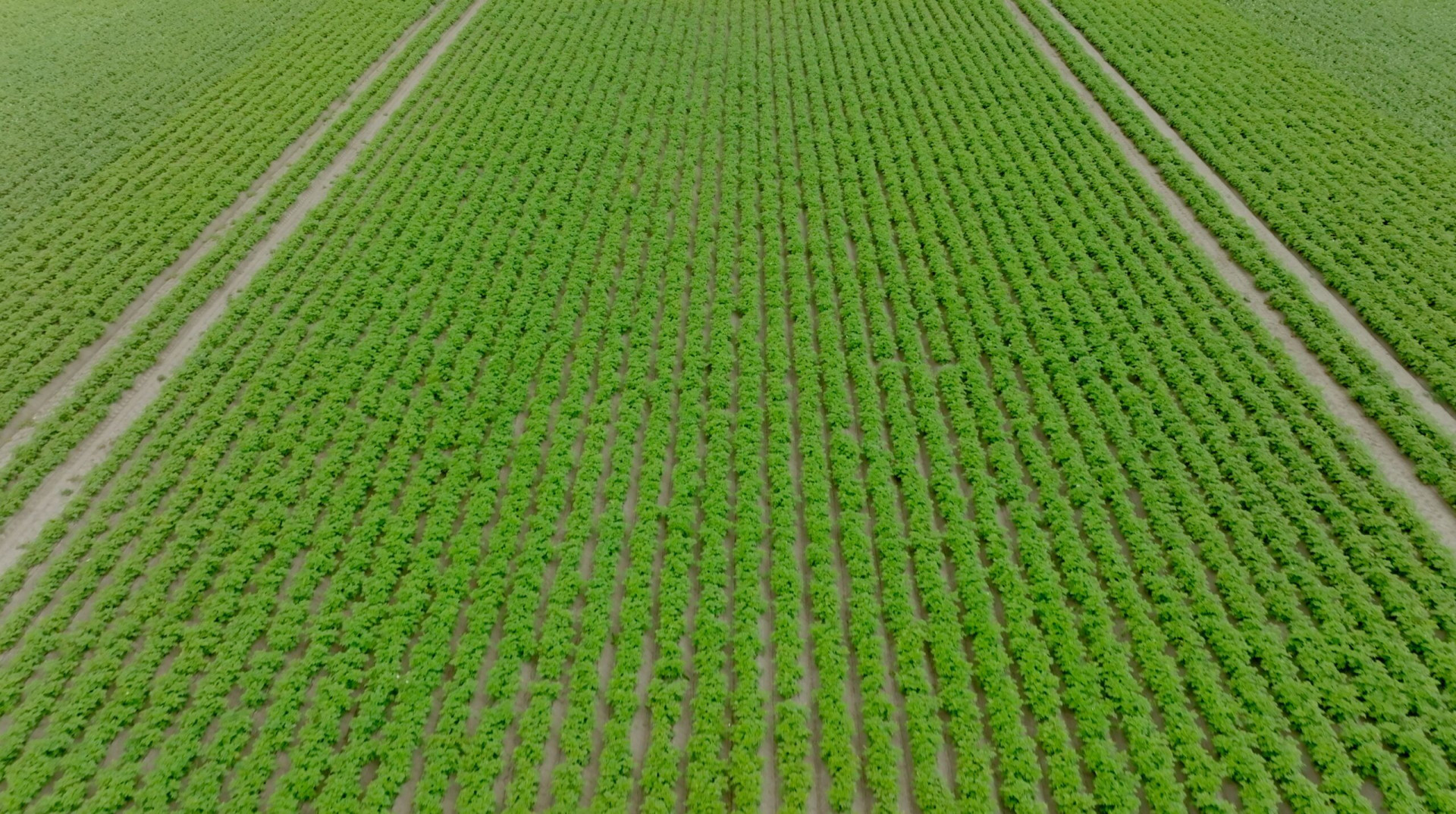
We are once again gaining some acreage in the Netherlands, and this brings us to 39,000 hectares. But growers who previously chose to fill in part of the seed potato acreage with fries potatoes are not willing to reverse that decision easily. They like to spread the risk. Moreover, the industry's contract prices remain reasonable and demand for fries potatoes continues to rise, partly due to the fact that processing capacity in Europe is still increasing.
Crossing borders
With acreage under pressure in the Netherlands, we have no choice but to look beyond Dutch borders. We are expanding our seed potato acreage in France, Germany, Poland, Finland, Belgium and Denmark to continue to meet demand with seed potatoes that are at least as good as seed potatoes from the Netherlands.
The reputation of Dutch seed potatoes, and in particular the high-quality basic material, is and remains exceptionally good.
From global to local
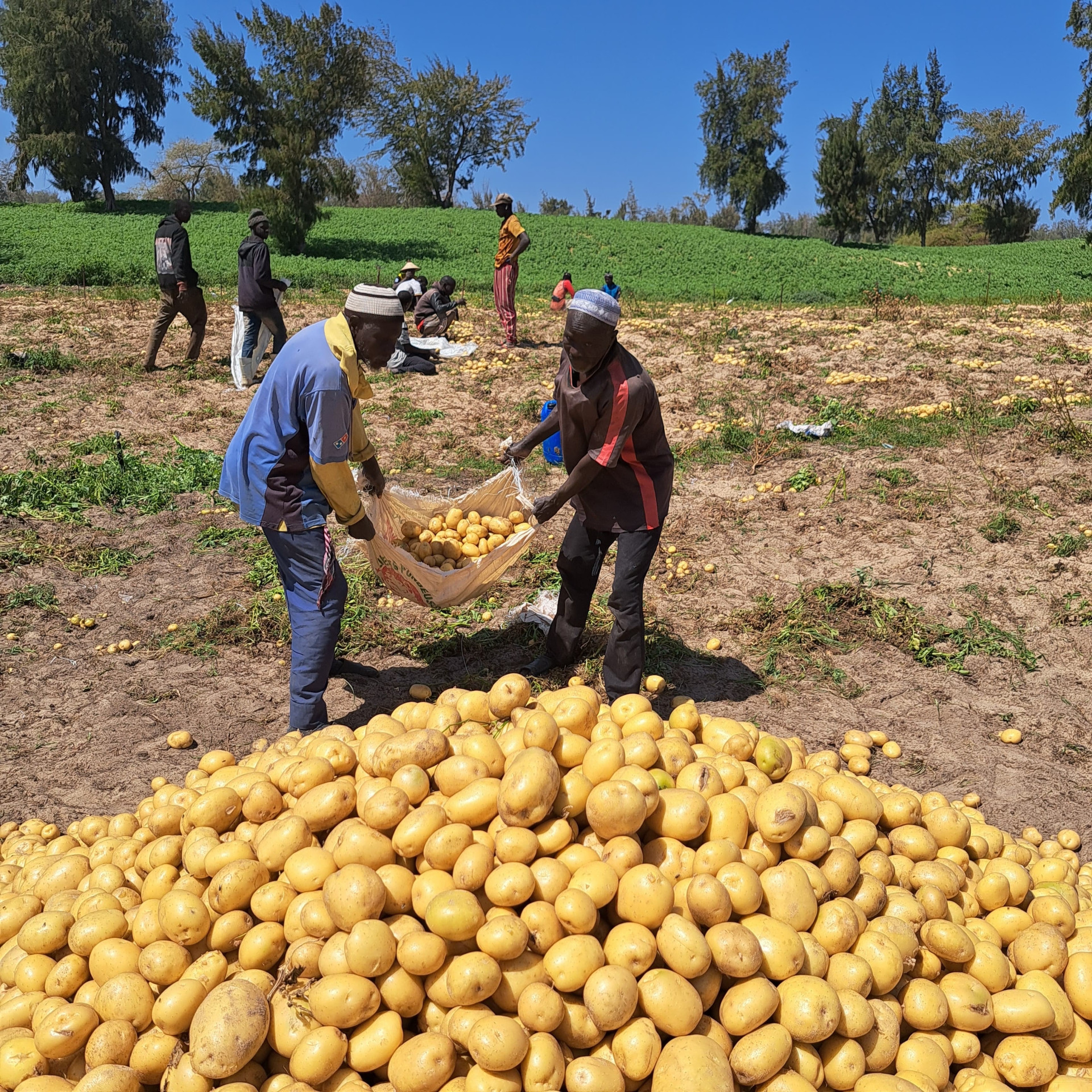
We have worked with local partners to set up seed potato cultivation in North Africa and Saudi Arabia, among others, using high-quality basic seed potatoes from the Netherlands. The mini-tubers supplied are also used to propagate seed potatoes for use at home and, in the future, for export to neighbouring countries. We provide knowledge about varieties as well as the corresponding planting techniques. After all, growing high-quality seed potatoes remains a speciality.
Influence of political climate
As tensions increase around the world, there is an increasing drive for countries to be self-sufficient. A country such as China is only just reopening its door to imports after all the COVID-19 restrictions. As a result, we are hoping to introduce our vitro material of new varieties to the world's largest potato market. We are also seeing countries like Uruguay and Turkey imposing stricter quality requirements on imported seed potatoes. In addition, compliance continues to demand our attention.
We have to take political developments into account. Whether this concerns quality, money, sanctions or imports.
A divided world
Although the potato market is saturated in the Western world, there are still plenty of opportunities in Asia, Africa and South America. When the availability of land and water comes under pressure and the population grows rapidly, potatoes are more likely to be chosen over rice and cereals. Sustainable cultivation, but also nutritional values, are very important arguments here and that's where Royal HZPC Group B.V. can grow and make an impact, preferably in collaboration with strategic partners.
Global growth
If we cannot import seed potatoes, we opt for licensed cultivation. We do this in North America, parts of South America such as Argentina and Chile, South Africa, Australia, New Zealand, China and India, among others. We can grow and develop with our hybrid seeds, as these allow us, primarily in the first phase, to reach small-scale growers in different countries, who cannot be reached with seed potatoes.
Potato Glory
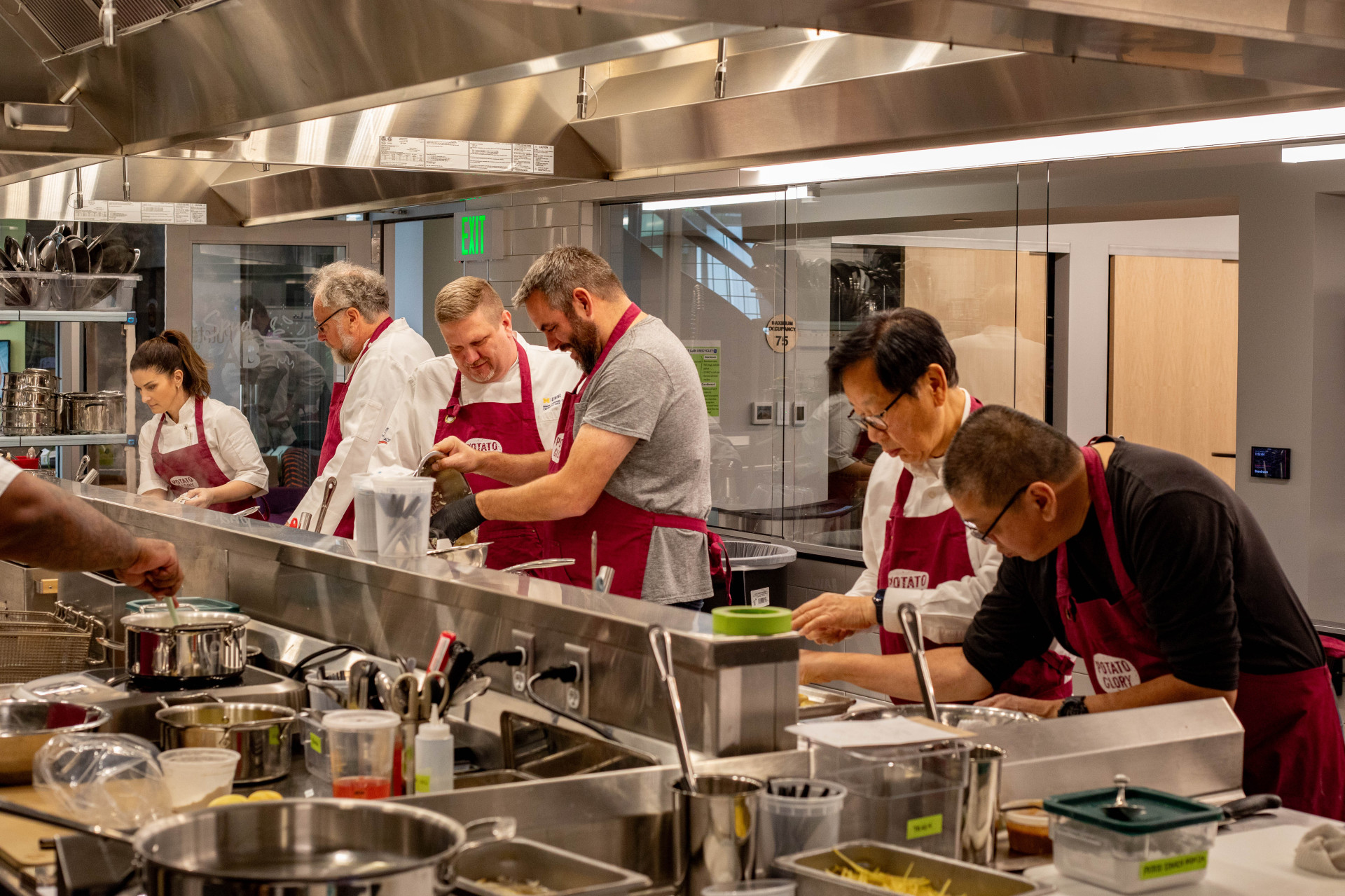
Increasing our share of the potato market is the main challenge for Royal HZPC Group B.V. But how do you grow in a saturated market like North America? This has proved difficult through supermarkets so we have looked for collaborations in the foodservice market, and worked with well-known chefs. In workshops, they help us demonstrate the versatility of the potato to restaurants. After all, when the potato variety is appreciated in restaurants, consumers will ask for that variety in the supermarket. And so we come back into the frame in retail.
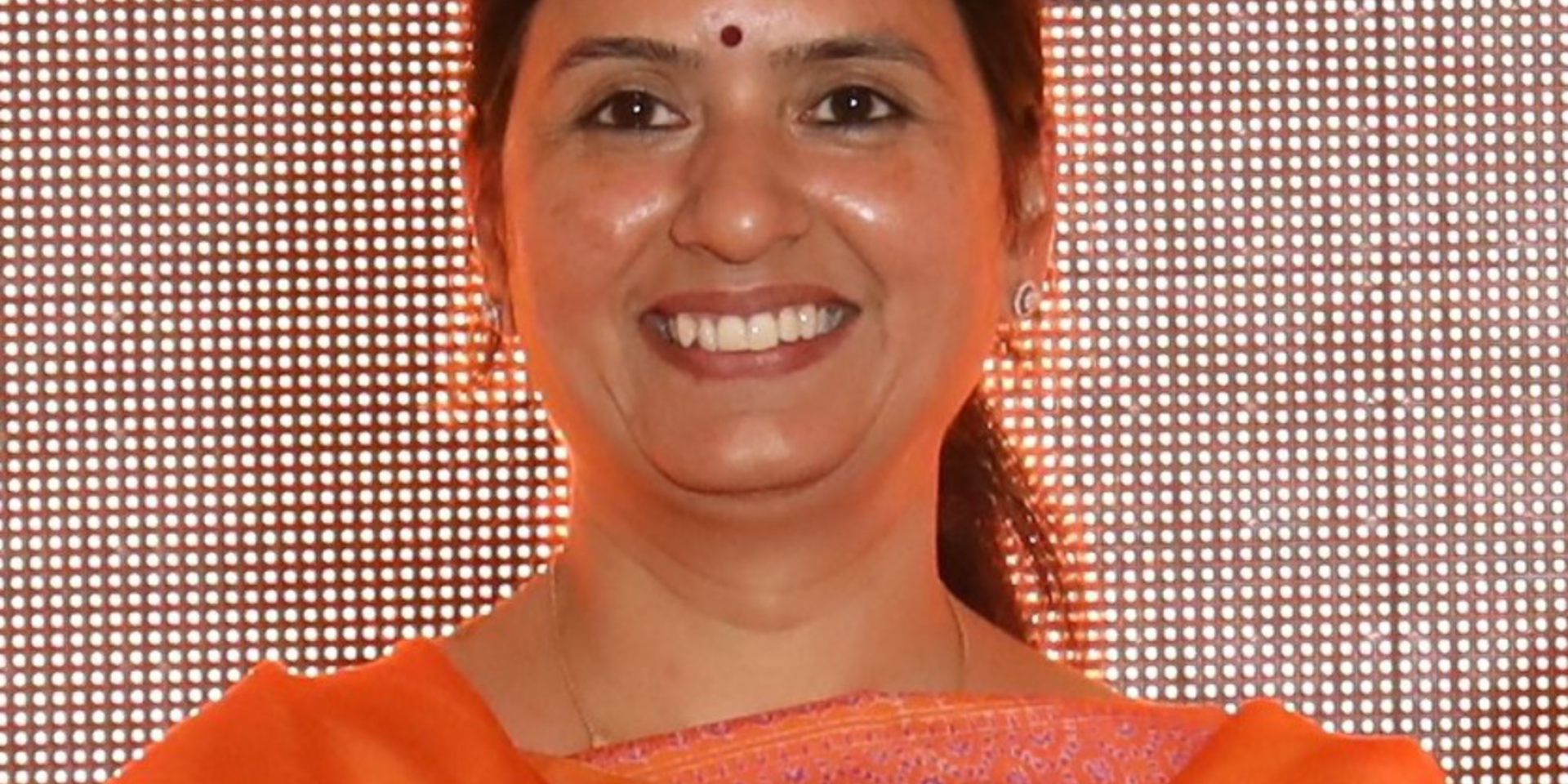
Partner in the spotlight – Dr. Namita Oza
Chief agriculture officer at Iscon Balaji Foods (IBF)
Partner in the spotlight - Dr. Namita Oza
Chief agriculture officer at Iscon Balaji Foods (IBF)
India has grown from importer to exporter of fries in a very short time. How did that happen so fast?
"The turnaround came when we decided to start producing ourselves instead of importing; in less than 20 years, we have gone from several thousand tonnes of imports to zero in India. India now processes over a million tonnes of fries potatoes a year. We expect that quantity to double next year, 60% of it for export."
What is the role of Gujarat province in this growth?
"Without Gujarat, India could never have grown so much in the fries market. Although Gujarat accounts for only 7% of total potato production, about 90% of all fries potatoes in India come from this state. The climatic conditions are ideal. The farmers are progressive and entrepreneurial and there is a good infrastructure."
Without Gujarat, India could never have grown so much in the fries market.
What other factors are important?
"The strong cooperation between farmers and fries manufacturers are important factors. We have contracts with our farmers so they can be sure of good prices and certainty. They have quality seed potatoes, can work with modern cultivation techniques and receive continuous support. And we are assured of a continuous supply of fries potatoes of consistent quality."
Are there any challenges?
"We now rely heavily on Gujarat for fries potatoes so it is important to look at other suitable regions too. We are also seeing the effects of climate change: temperatures are rising and the growing season is getting shorter in Gujarat. We must also support growers in the region with knowledge, infrastructure and suitable varieties. In Gujarat, Santana is particularly popular, but we need other varieties for other regions."
What will happen in the future?
"The demand for convenience foods will grow in the coming years, and with it the demand for fries. So there are plenty of opportunities in India. To that end, we are focussing on new varieties, looking at advanced cultivation techniques and expanding to other regions. We also want to grow globally in the market."
We are technologically ahead of the curve, and deeply connected to our farmers.
What sets you apart from the rest?
“Our strength lies in being technologically ahead, committed to sustainability, and deeply connected to the growers. We focus on creating as much value as possible for our farmers. We now work in ten states with 8,000 farmers. Our team of 350 agricultural experts is ready every day to support the farmers with technical assistance, field monitoring, and advice. We also invest a lot of time in training our farmers.”
How does technology help you in this process?
“Through a digital platform we developed together with CropIN, our farmers have access to all kinds of information. Think satellite monitoring, weather forecasting, but also predictions of diseases and pests and real-time data analysis. This helps us and the farmers to reduce risks and optimize yields.”